Consumers collectively have own trillion of cash in the market according to recent media reports. Much of the debt is due to borrowing on credit cards, bank loans and mortgages; but as customer borrowing increases, so does the number of people encountering financial difficulty in paying back what they owe. As a result, more and more financial agreements are becoming delinquent and are subsequently passed from the original lender to a debt collection agency. Debt collection agencies are businesses that collect past-due bills and accounts receivable for other persons or businesses in exchange for a fee. Collection agencies charge for their services in one of three ways: a flat fee, a percentage of the amount recouped, or more commonly through a direct purchase of the accounts. Efforts to collect small or moderate sized debts are best done with debt collection agencies that charge a flat fee for their services.
 These agencies are likely to work just as hard at collecting a little debt as they are in trying to collect a larger debt. The third choice is rapidly becoming the most popular among the larger financial institutions as they seek to cut their losses and free up resources away from debt collecting. Generally, these financial institutions have large portfolios of outstanding debt, and selling it on to debt collection agencies enables them to recoup some of the money loaned out and free up costly resources away from pursuing the delinquent debt. In order to collect due debts most collection agencies will use one of three strategies: letters, phone calls, litigation. Typically, debt collection agencies will start the collection process by sending a series of notification letters, frequently allowing the debtor to enter into discussions to repay the debt. These letters are often called 'demand' letters. The final notification letter that's sent out generally warns the debtor that if no contact is made prior to a certain date then the debtor's name - whether it be a person or a company - will be passed on a more intensive process of debt collection.
In addition to letters, some collection agencies may also phone the debtor directly, again permitting the debtor to work with the agency to agree a plan to settle the debt. Telephoning a debtor in your home can sometimes have the best outcomes in collecting a delinquent debt. The next method, lawsuit, is a last resort and is generally only used when all other efforts to recover the debt have failed. Litigation involves taking the debtor to a small-claims court and could eventually lead to the debtor being made bankrupt, depending on the amount of debt owed. Other services provided by debt collection agencies include locating absent debtors who can no longer be reached at the address or phone number listed on their own accounts. Some agencies also provide'doorstep' collection, whereby they employ lots of collectors to see debtors in their houses to arrange the repayment of debts owed. Debt purchasing is becoming big business with many specialist debt collection agencies, providing advice on how best to proceed with the recovery of unpaid debt. In case you have a need to employ the services of a debt collection agency make sure that they are members of the Credit Services Association, a regulatory body associated with the debt collection and financial industries.

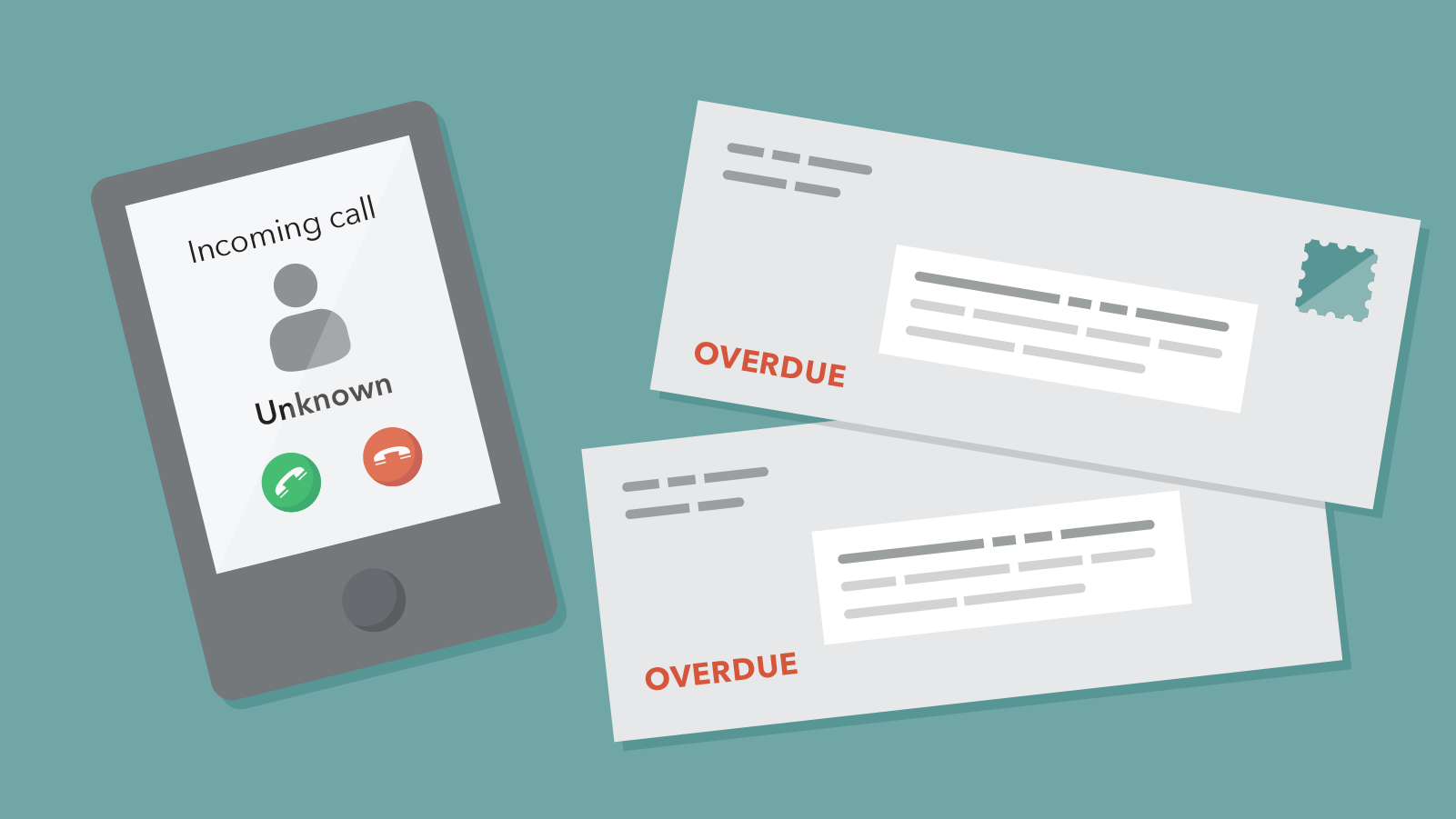 One would be to pay them a fixed sum, while another would be to pay them a percentage of the debt accumulated. There are agencies that in fact purchase some debts straightway. This simply implies that, if a debtor owes money to a company, and that company sells the debt to a debt collecting agency, the debtor would legally be required to pay that debt to the agency. By selling to an agency, the company gets a some proportion of the whole debt. Whatever amount the agency collects from the debtor is kept by the collector. Since the agency needs to collects more money than what it paid into the company for buying that debt, it employs all kinds of tactics, and often indulges in some unwarranted practices. Debt collectors are not empowered to enter your premises or take the ownership of your belongings. In fact, they can only demand money from you. The point is that they keep calling on the debtor time and again, and the dishonest collectors are known to threaten debtors with the intention of recovering the dues. On the other hand, a professional debt recovery agency would attempt to come up with a useful relationship with their debtors, and thus start the process of negotiation for recovering the debts.